

Strider Balance Bike Review
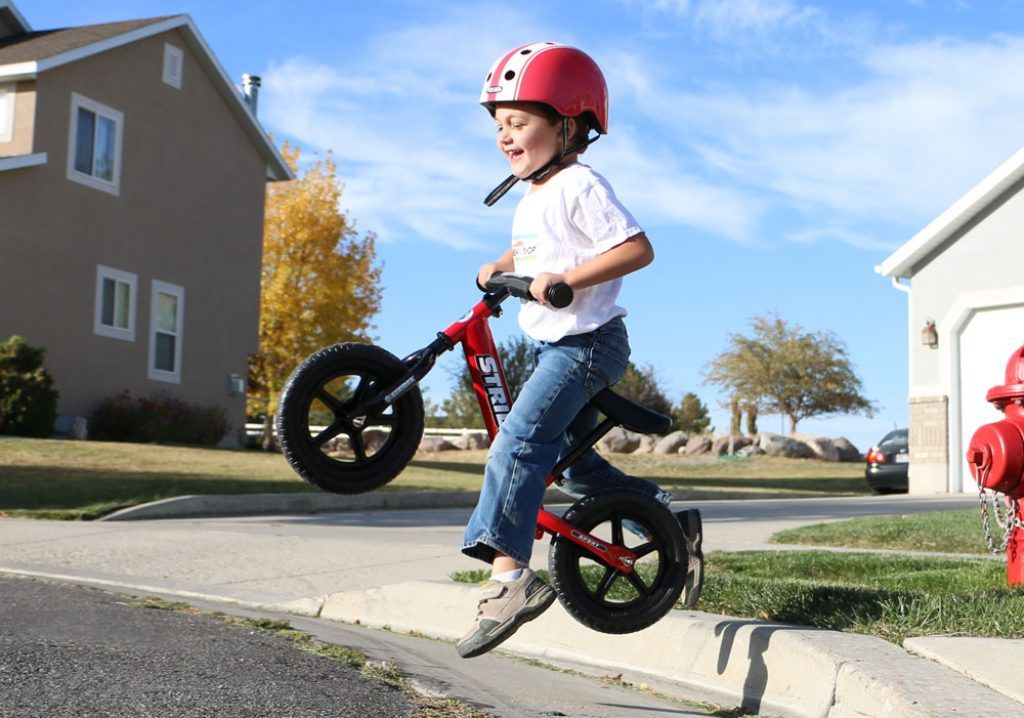
Strider balance bikes are the most popular pedal-less bikes for toddlers in the U.S., and for good reason. Strider Bikes has been making and perfecting balance bikes since 2007, selling over 4 million bikes with a proven track record for performance, durability, and reliability. But while they were one of the first balance bike brands in the U.S., the market has grown crowded with competitors. So how do they hold up?
Having tested over 100 different balance bikes since 2010, we can say with confidence that Strider is still a worthy competitor, but like all bikes, they aren’t for everyone. From fit to performance, we’ll cover all three Strider models, the Comp, Sport, and Pro, breaking down how they differ and who each one is best for.
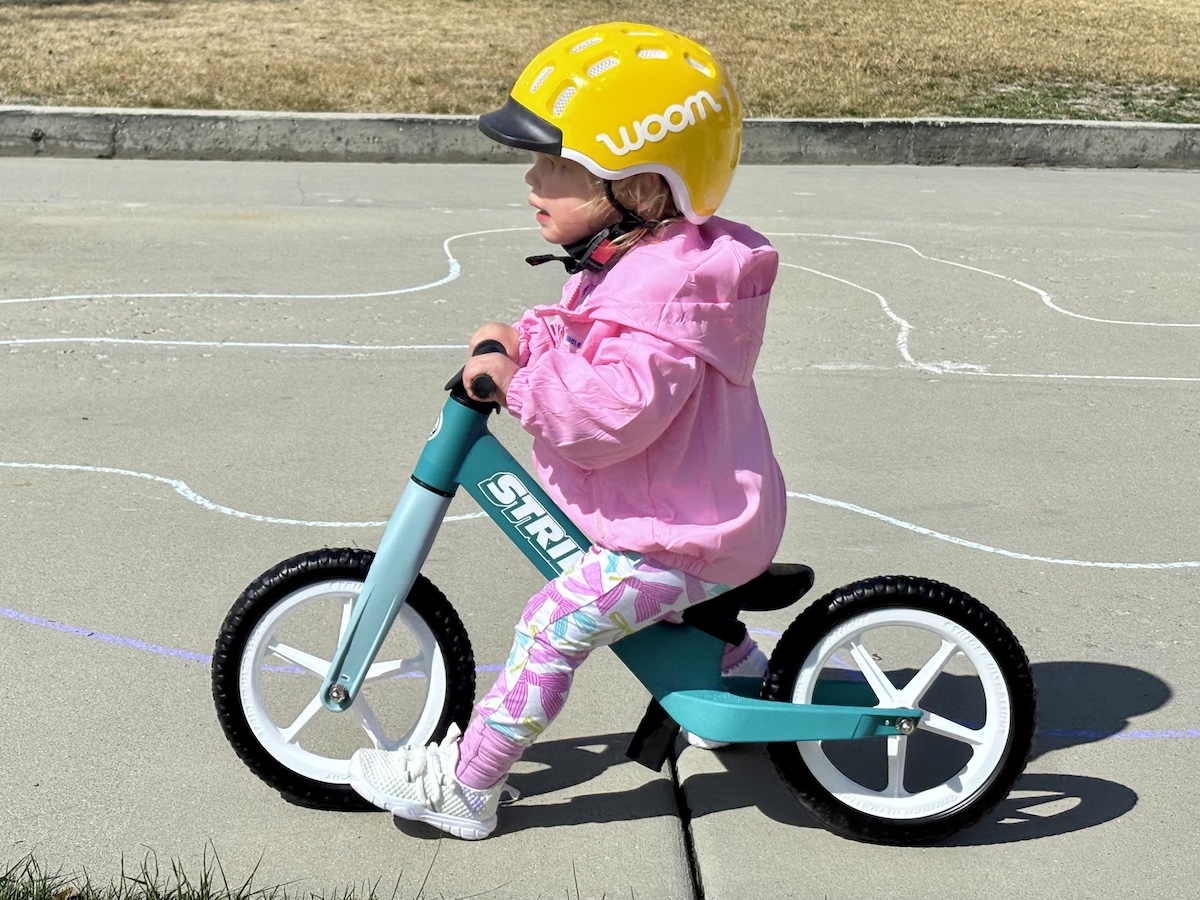
Strider Bikes (Comp, Sport & Pro)
MSRP: Comp: $139 | Sport: $169 | Pro: $219
BEST FOR: Families wanting a reliable, proven balance bike built to last. Best for paved outdoor surfaces.
SEAT HEIGHT: Comp: 11″–15″ | Sport & Pro: 11″–17″
WEIGHT: Comp: 5.0 lb. | Sport: 6.7 lb. | Pro: 5.6 lb.
ADDITIONAL SPECIFICATIONS
BRAKES: None (all models)
TIRES: Foam (all models)
FRAME: Comp: Nylon Composite | Sport: Steel | Pro: Aluminum
What We Love About Strider Bikes
- Proven fit, performance, and reliability
- Easily adjustable to fit a wide range of ages (Sport & Pro)
- The Comp’s nylon composite frame is super lightweight and rust-free
- Frame geometry is comfortable and intuitive to ride
- Narrow saddle, handlebars, and grips sized for little bodies
- Widely available and comes in a variety of colors
- The snow skis are fantastic and work great!
- Variety of accessories available through Strider to customize your bike, like grips, handlebars and wheels
What You Should Know Before You Buy a Strider
- A much better fit for 18-month to 3-year-olds than for 3- to 4-year-old preschoolers
- If you’re planning on riding on non-paved surfaces, a bike with air tires is a much better option (Strider’s air tires are a $80 upgrade)
- Strider models are not compatible with a hand brake. While most kids spend the majority of their balance bike time not using a handbrake, most riders end up using the handbrake before they transition to a pedal bike
Strider Bike Review – Comp, Sport and Pro Models
Strider is often the first name parents turn to when buying a balance bike, but with countless brands entering the market, the competition is fierce. So how do Striders hold up?
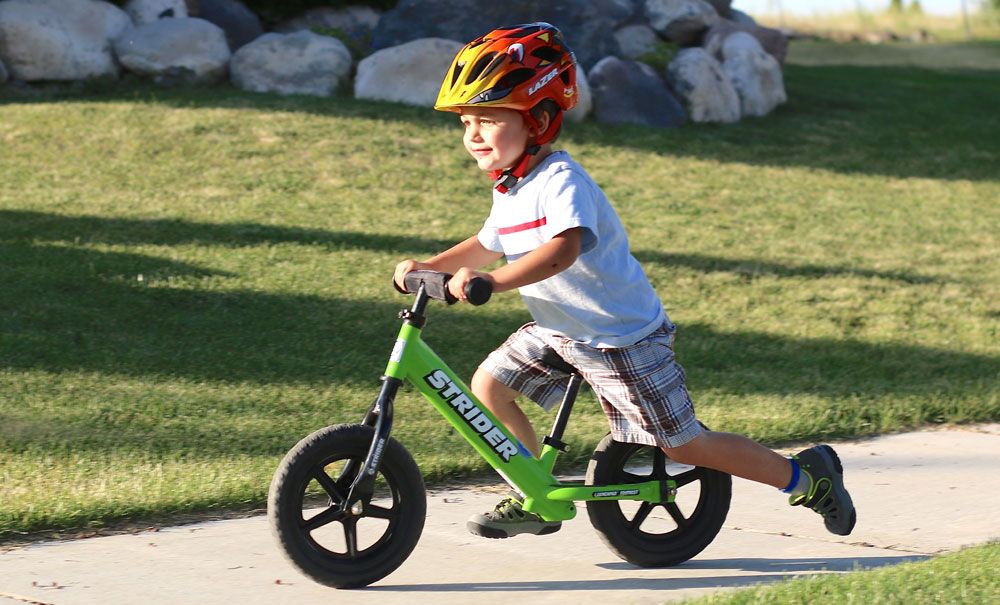
Compared to cheap, mass-produced sub-$100 balance bikes, Strider holds its own thanks to exceptional adjustability, performance, durability, and quality. If you’re the tl;dr type: if a Strider fits your budget, it is absolutely worth choosing over cheaper Amazon models, especially if you plan to use it for multiple kids.
Compared to higher-end balance bikes, Striders don’t offer as many features or the same level of component quality. That said, the Strider has more than earned its place as the best-selling balance bike in the U.S. If the bikes with air tires, aluminum frames, and hand brakes aren’t in your budget, and you’re sticking to paved surfaces, you really can’t go wrong with a Strider.
Size & Fit: What Age Is Best for the Strider Balance Bike?
The Strider is one of the smallest true balance bikes on the market. With a minimum seat height of 11″ across all three models, kids as young as 18 months can hop on and ride. Add in the impressive lightweight build (the Comp tips the scales at just 5.0 lb.) and you’ve got an ideal starter bike for toddlers just beginning their two-wheel journey.
For taller toddlers or preschoolers, the Sport and Pro are the better picks, with a maximum seat height of 17″ compared to just 15″ on the Comp. That longer seat post lets kids ride comfortably through age 4. If your child’s inseam is already around 13″, the Sport or Pro will give them far more room to grow. The handlebars on the Sport and Pro are also height-adjustable, a feature the Comp doesn’t offer.
The Sport and Pro also have a higher weight limit. The Comp maxes out at 45 lbs., while the Sport and Pro can handle up to 60 lb.
If you’re buying for a child who is already 4 or 5 years old, Strider’s larger Strider 14x, is a much better option.
Which Strider Model is Best for Me?
All three Strider models are ideal for parents who want a reliable, maintenance-free bike that’s always ready to go. No flat tires. No broken hand brakes. Just a lightweight, always-ready bike that goes wherever your little one does. The right model comes down to your child’s height, how long you plan to use the bike, and the type of riding you expect.
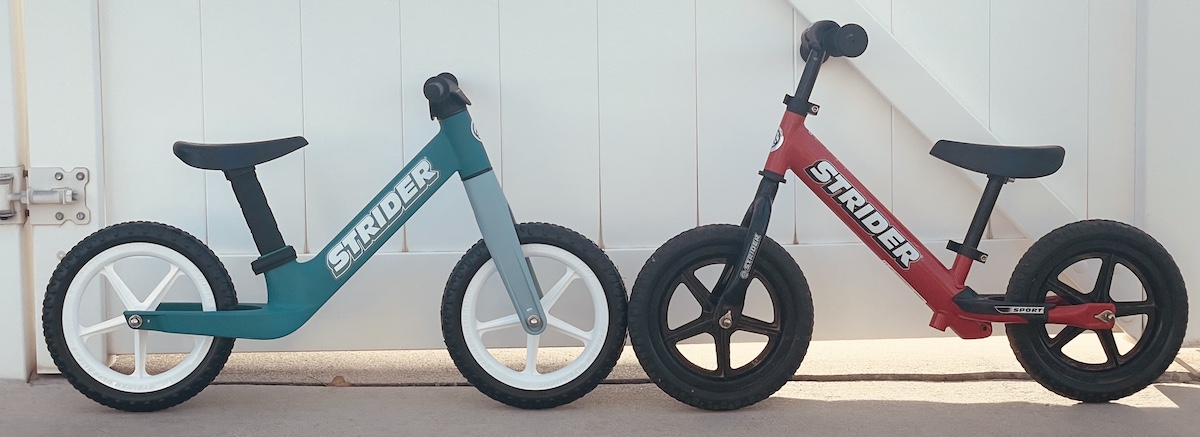
All three bikes come standard with the same foam tires and no handbrake. All three can be upgraded with Strider’s colorful grips, colored rims with foam tires, or Strider air tires (only necessary for frequent off-pavement riding). However, only the Sport and Pro models are compatible with Strider’s upgraded handlebars.
Comp Model ($139) The Comp takes no-nonsense reliability to the next level. Its nylon composite frame is rust-proof, and its seat and handlebars won’t twist out of alignment. At just 5.0 lb., it’s the lightest of the three, a real advantage for the smallest riders. The Comp offers four fixed seat height positions between 11″ and 15″, so while it doesn’t offer the continuous adjustment of the Sport and Pro, it’s still tool-free and easy to use.
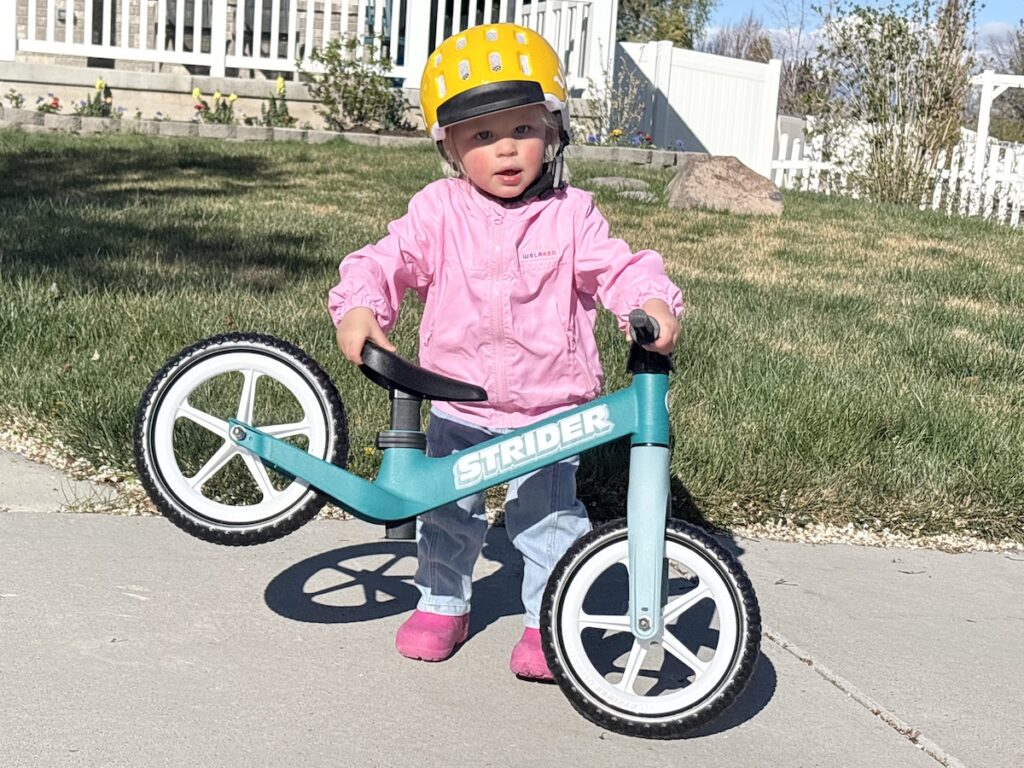
If you’re starting your child when their inseam is around 11″, don’t need a bike that adjusts quickly between siblings, and want the lightest, most durable option, the Comp is your pick. The rust-free frame also makes it a great choice for humid climates or outdoor storage. The one trade-off: its maximum seat height of 15″ means smaller riders may outgrow it sooner than the Sport or Pro.
Sport Model ($169) The Sport is the go-to for taller toddlers, preschoolers, and families sharing the bike between siblings. Height-adjustable handlebars and a maximum seat height of 17″, which is 2″ more than the Comp, give it a meaningfully longer useful life.

The $30 jump from the Comp is easy to justify if your child’s inseam is already approaching 13″ or you want a single bike to fit multiple kids over several years. Just note that the steel frame is prone to rust over time, so storage matters.
Pro Model ($219) The Pro swaps the Sport’s steel frame for aluminum, dropping the weight to 5.6 lb. versus the Sport’s 6.7 lb., while matching it in every other way.
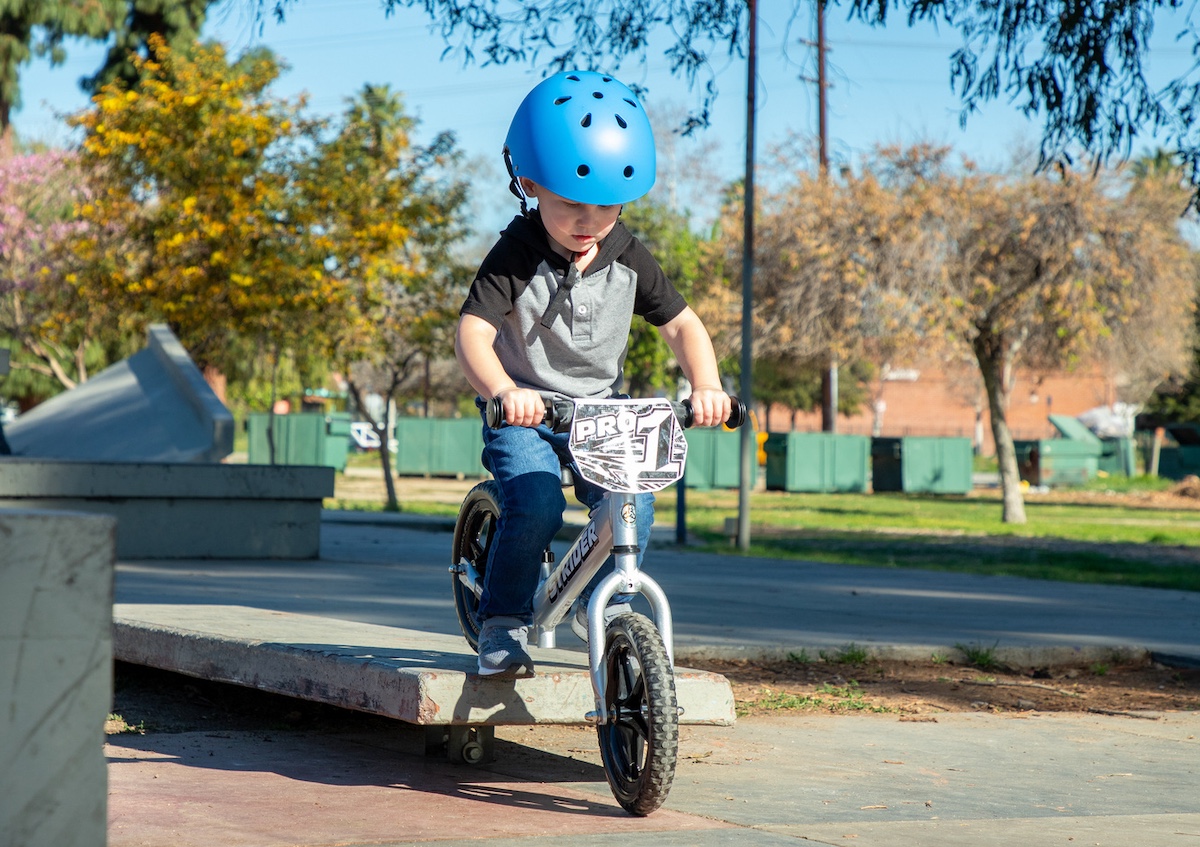
Whether that pound of difference and rust-free frame is worth the $50 upgrade over the Sport depends on your priorities. For most families, the Sport is the sweet spot. But if you’re planning on more aggressive riding, racing, or simply want the lightest adjustable option, the Pro earns its price tag.
Components of the Strider
Weight
All three Strider models rank among the lightest balance bikes on the market. The Comp leads the pack at 5.0 lb., followed by the Pro at 5.6 lb. and the Sport at 6.7 lb. For context, the Guardian Balance Bike comes in at 8.5 lb. and the woom GO 1 at 6.3 lb.

As a general rule, a balance bike should weigh no more than 30% of a child’s body weight. The more petite the rider, the more they’ll benefit from a lighter bike. Considering toddlers need to lift and tilt up their bikes when starting to ride, weight makes more of a difference than many realize. More athletic or larger-framed kids, however, tend to handle a bit of extra weight without issue.
Frame Design
Despite using different materials, all three models share the same frame design, and it’s a good one. Strider bikes are fun to ride because they’re genuinely easy to ride and handle and easy to get on and off. But what sets them apart from many super budget balance bikes?
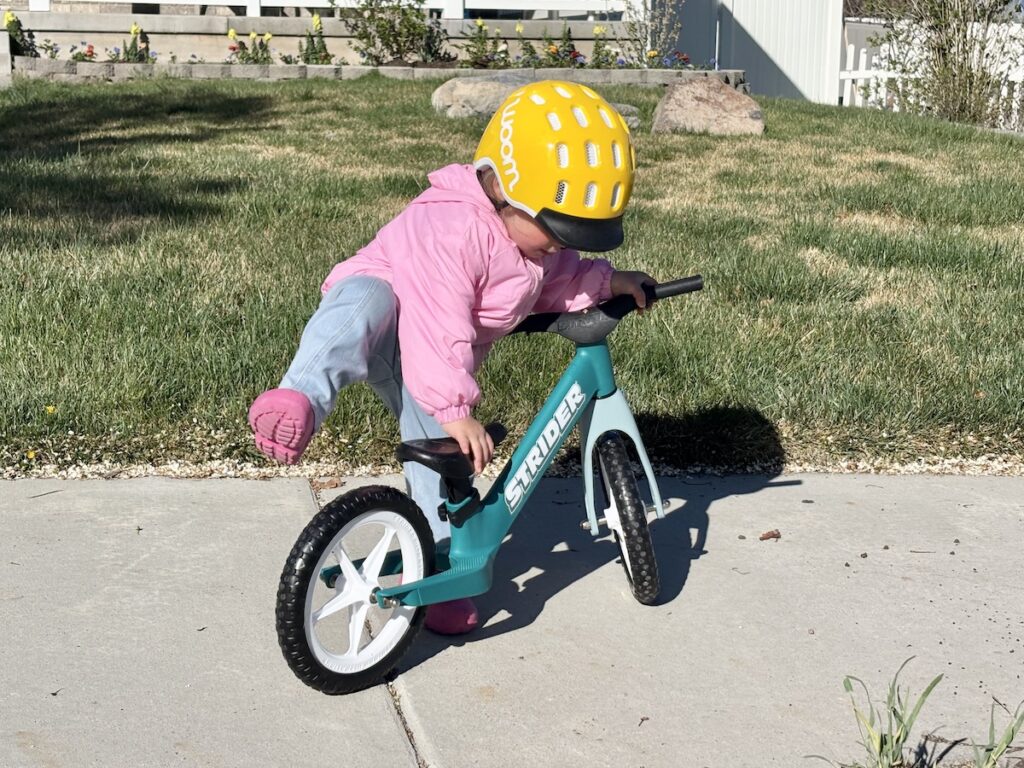
Beyond the lightweight build, it starts with smart geometry. When kids ride a balance bike, they need room to lean forward and extend their legs naturally as they run and glide. Strider provides that room between the seat and handlebars giving kids for kids to maneuver the bike without feeling cramped.


The seat position is equally thought out. At its lowest setting, the seat sits close to the rear tire, a design that creates a low center of gravity, making the bike easier to balance and control right from the start.
Frame Materials
One of the key differences between the three Strider 12 models (the Comp, Sport, and Pro) is the material used for the frame, and it’s worth understanding before you buy.
The Comp’s frame is made of nylon composite, the same lightweight, rust-free material used throughout the bike. It’s a surprisingly durable material that holds up well over time and is a particularly smart choice for families in humid climates or those who store the bike outside.
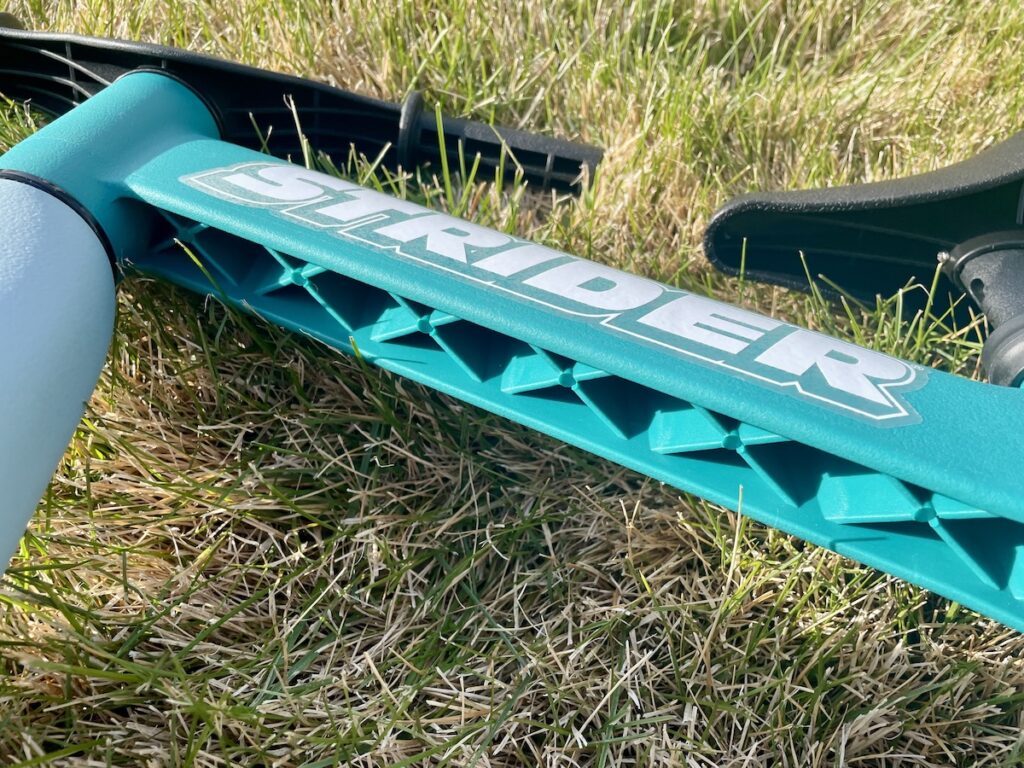
The Sport uses a steel frame, which is solid and dependable but is susceptible to rusting over time. For most families this isn’t a major concern, but if you live in a more humid climate or plan to store the bike outdoors, it’s something to keep in mind.
The Pro steps up to an aluminum frame, giving it the best of both worlds: the adjustability and features of the Sport with a rust-free, lightweight build. At 5.6 lb. versus the Sport’s 6.7 lb., the aluminum frame also contributes to a meaningfully lighter bike overall.
Foam Tires
All three Strider 12 models come with puncture-proof 12″ foam tires. They’re lightweight, non-marking, and essentially maintenance-free, never going flat and always ready to roll. For many families, that peace of mind alone is worth a lot.
That said, foam tires do have their limits. After testing over 100 balance bikes on a wide variety of surfaces, we’ve consistently seen foam tires lose traction where air tires hold on, particularly on loose dirt, gravel, and smooth gym or wood floors. For the average rider sticking to paved surfaces, foam tires perform just fine.
There’s also the matter of cushioning, or rather, the lack of it. Air tires compress under stress (think rolling off a curb) to absorb impact. Foam tires don’t.

Remember how it felt going over a curb on a Big Wheel? That’s the tradeoff. For smooth, paved riding it’s rarely an issue, but for rougher terrain or more aggressive riding, air tires make a big difference.
Footrest
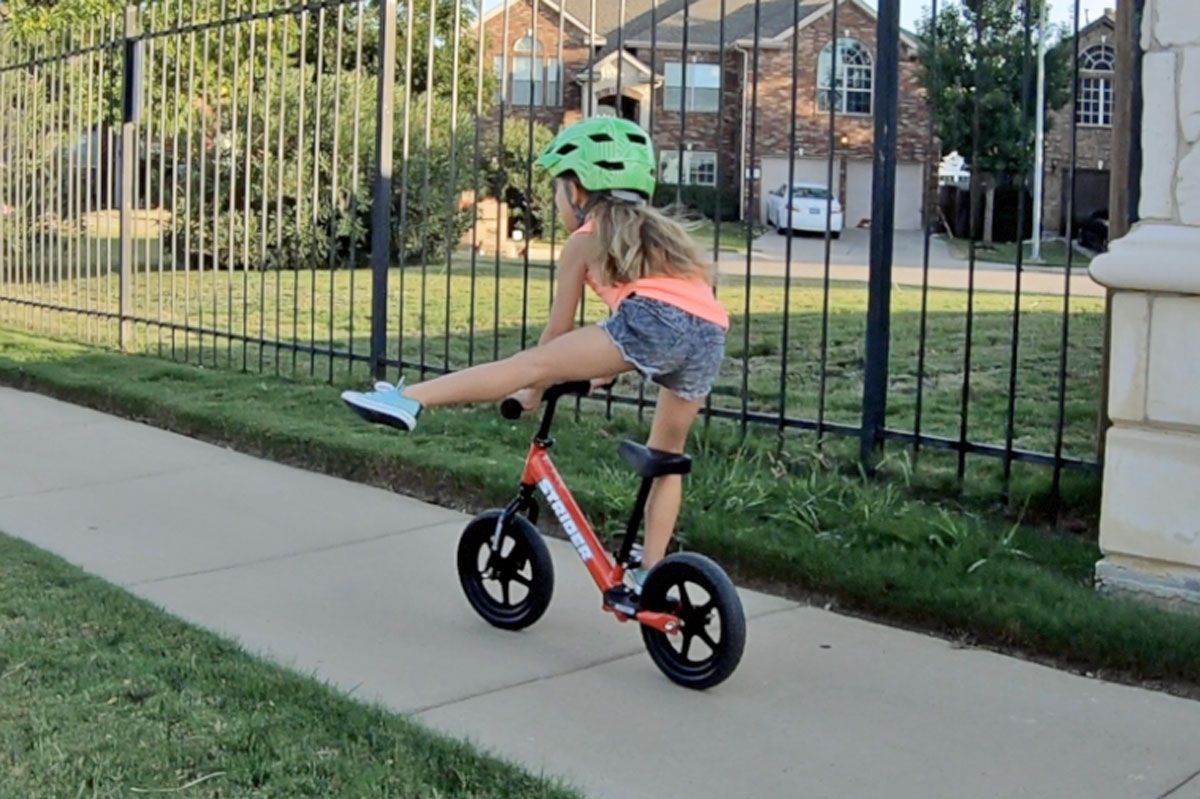
Footrests aren’t a necessity on balance bikes, as most high-end brands skip them entirely, but a well-designed one doesn’t hurt. Strider’s footrest is neatly tucked under the seat, non-intrusive, and out of the way when not in use. Kids simply rest their heels on it, located close to the rear tire.
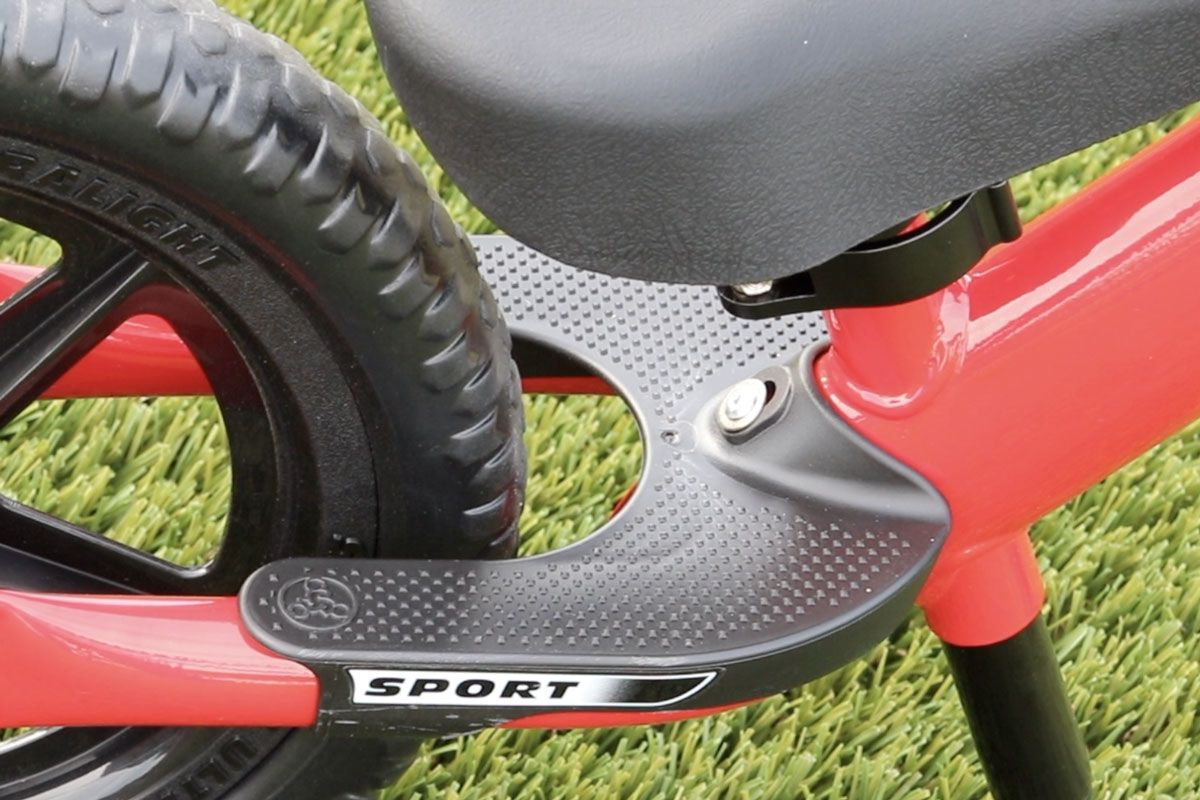
A note on design: on several competing brands, the footrest protrudes too far from under the seat, causing kids (especially toddlers) to bang the back of their calves while riding. Strider avoids that problem nicely.
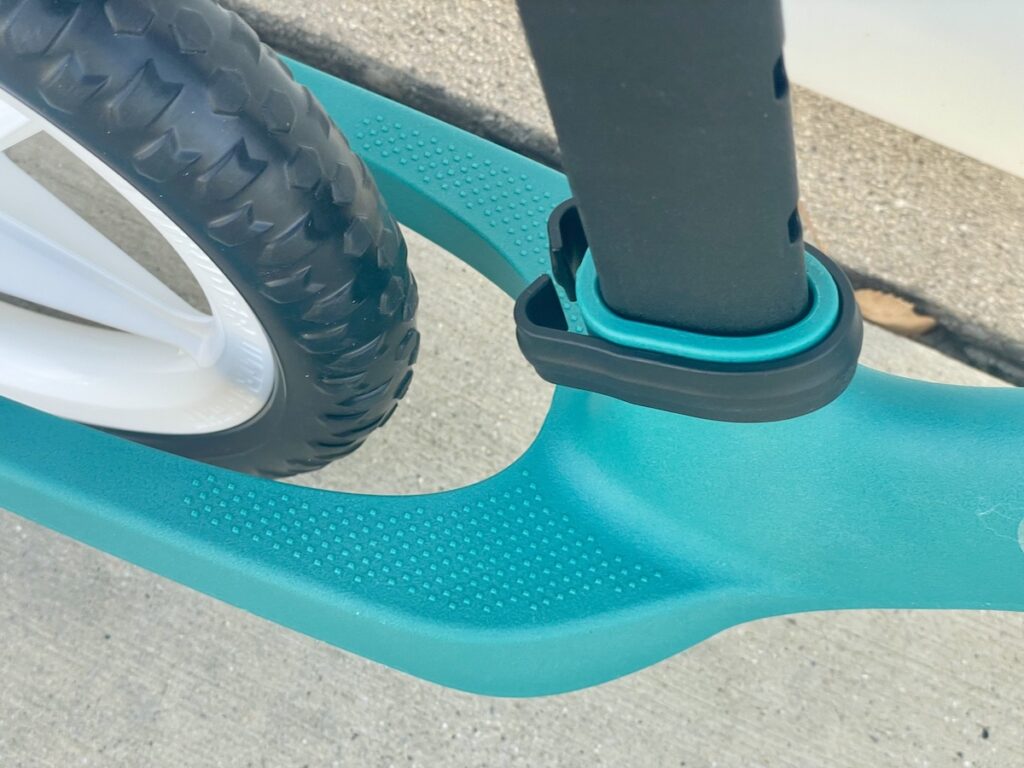
The Sport and Pro models feature a plastic footrest platform over the metal frame (as shown above), while the Comp has the footrest built directly into the frame (shown below).
Seat Height Adjustment
All three Strider 12 models adjust tool-free, but the mechanism differs between the Comp and the Sport and Pro.
The Sport and Pro use a standard quick-release clamp, allowing for continuous seat height adjustment anywhere between 11″ and 17″. It’s intuitive and fast, which is particularly handy when sharing the bike between siblings of different heights.
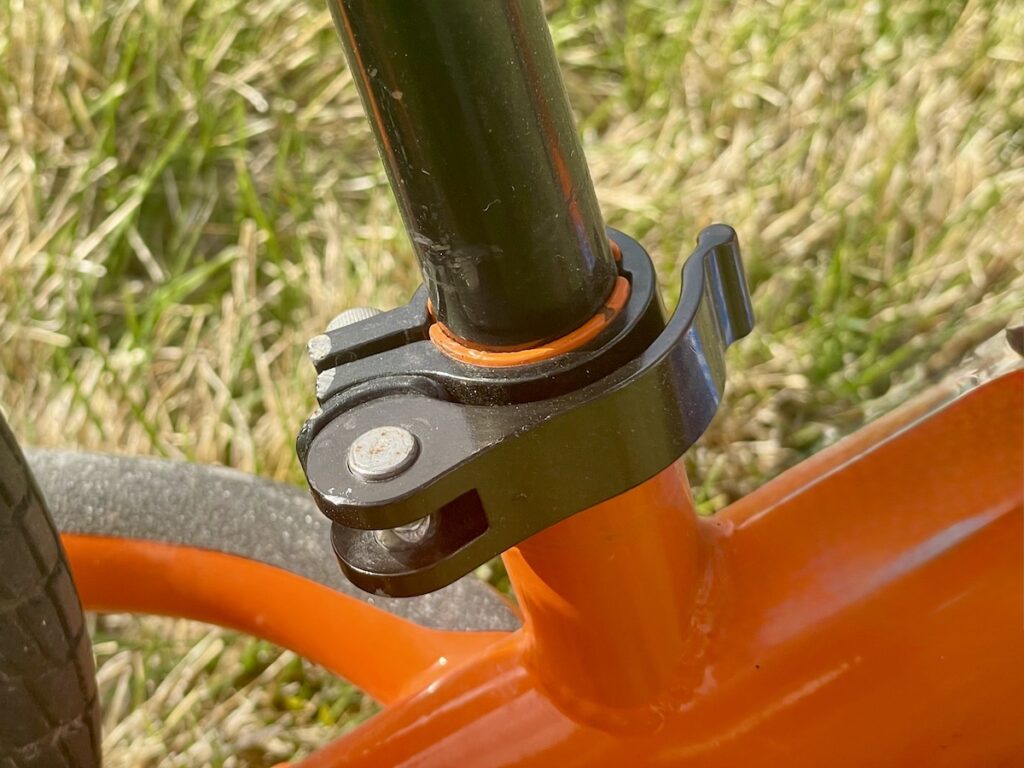
The Comp uses a unique nylon composite clip that is also tool-free but works a bit differently. Rather than continuous adjustment, the Comp has four fixed seat height positions between 11″ and 15″. To adjust, slightly pull out while pushing forward on the back two wings of the clip to release it, then slide the seat post to the desired height.
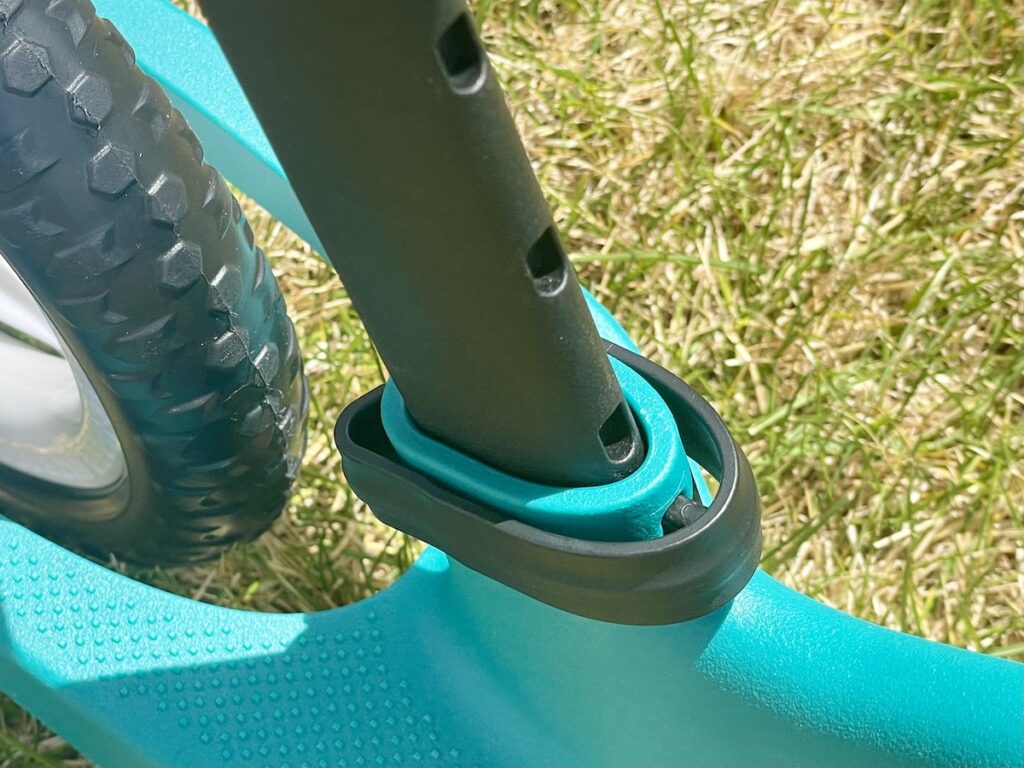
Once the insertion hole in the seat post lines up with the frame and clip, push the clip back toward the rear of the bike until it snaps into place.
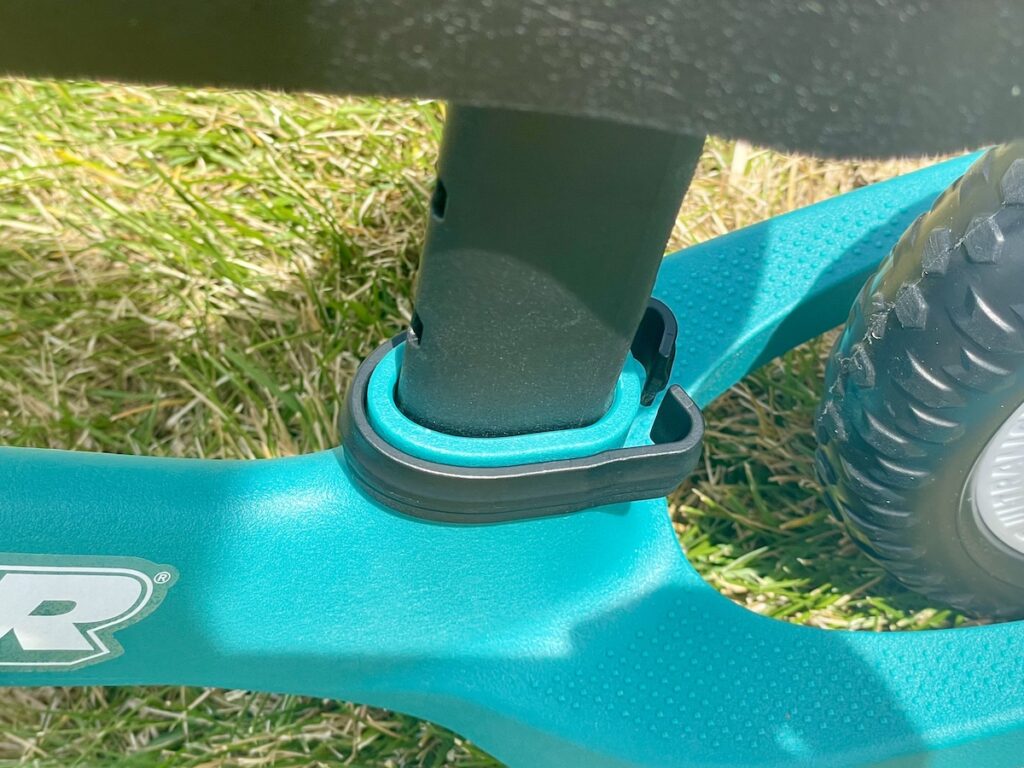
It sounds more complicated than it is, after a couple of tries you quickly catch on.
Handlebars
The handlebars on the Comp are made of the same nylon composite material as the frame, which comes with a couple of notable advantages: they won’t twist out of alignment and are completely rust-free. The trade-off is that they are fixed in place, meaning the height cannot be adjusted as your child grows.
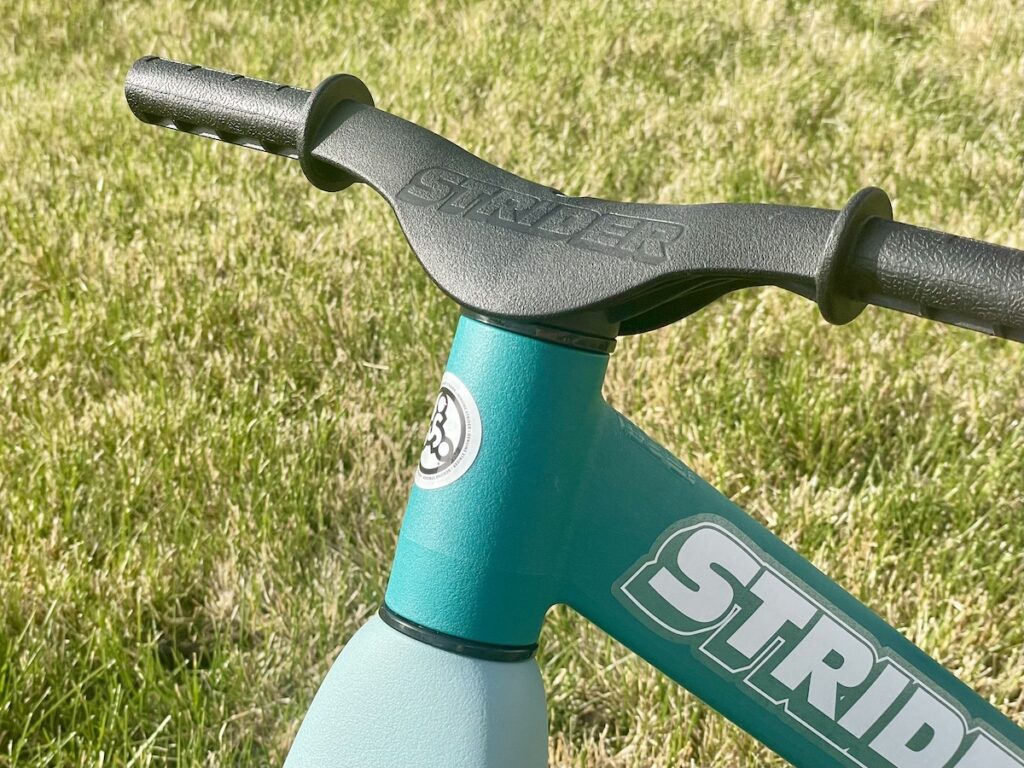
The Sport and Pro both feature steel handlebars with a handlebar pad, and unlike the Comp, they are height-adjustable, making it easier to dial in the fit for taller riders or when sharing the bike between siblings. For those who want to go a step further, the Sport and Pro are also compatible with an aluminum handlebar upgrade, while the Comp is not.
Handlebar Grips
The Sport and Pro models come with rubber grips, while the Comp does not. The Comp’s grips are made of the same nylon composite material as the handlebars and frame and do tend to scratch and roughen up when the bike is dropped on its side — something toddlers do with impressive regularity.
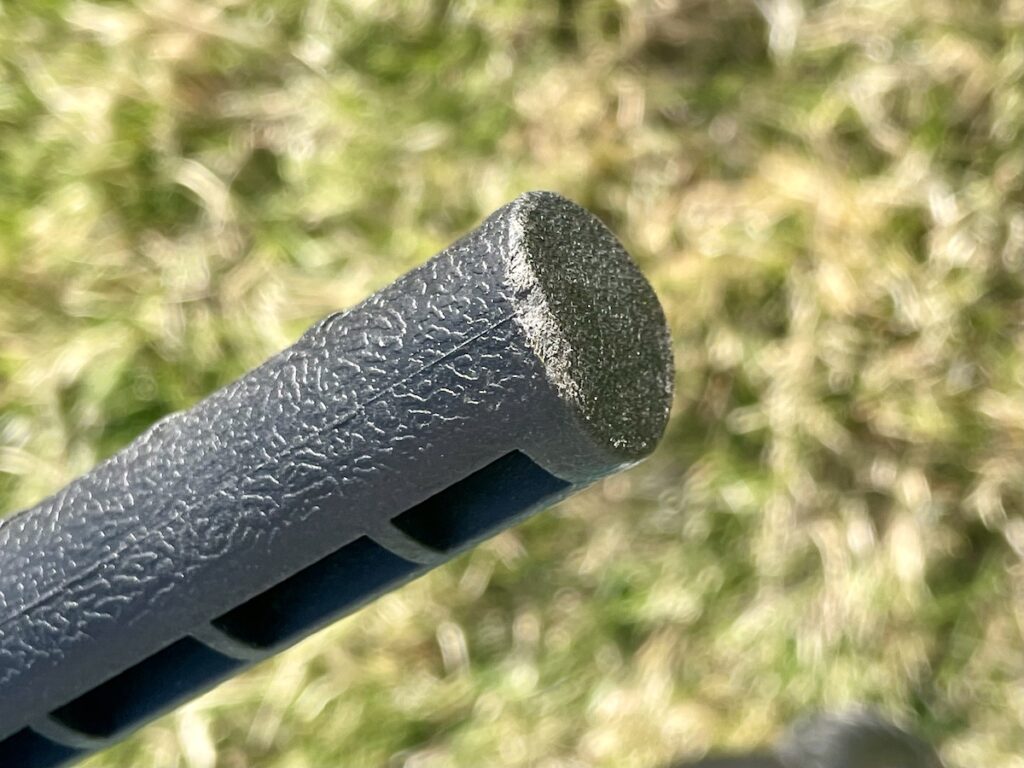
To keep those edges smooth and comfortable, the Comp is compatible with Strider’s Classic grips. If it’s in your budget, we highly recommend picking up a set.
Can you add pedals to a Strider balance bike?
You can’t add pedals to the Strider Comp, Sport, and Pro models, but you can on their larger Strider 14x. Designed for older and taller kids ages 3 and up, the Strider 14x features 14″ tires, taller seat heights, and the ability to convert to a pedal bike. Its longer wheelbase and wider handlebars also provide a more stable, grown-up ride for bigger kids.

Strider 12 Sport Balance Bike vs. Other Balance Bikes
Strider delivers solid dependability and durability, and unlike cheap budget bikes, replacement parts are readily available when something does need fixing, making it a great choice for families who want one bike to pass down to multiple kids.
That said, there are a few areas where competitors have an edge. The lack of a handbrake option across all Strider 12 models can be a real limitation, particularly for more aggressive riders or those who live in hilly areas.
While most kids don’t develop the hand-eye coordination to use a handbrake until around age 2.5 to 3, many toddlers do use them consistently once they get the hang of it. And there’s a practical bonus too: once kids learn to rely on a handbrake, their shoes take far less of a beating from dragging to stop.
Bikes like the woom GO 1 (for younger toddlers) and the more budget-friendly Retrospec Cub Plus (for older toddlers) come standard with both air tires and a handbrake, making them strong alternatives if those features are a priority.
For off-pavement adventures on dirt paths or hiking and biking trails, bikes with knobby air tires such as the Prevelo Alpha Zero or the Dirt Hero offer better traction, cushioning, and stopping power with their hand brakes.
And if your child is the type to fly down curbs, hit jumps, or lean hard into turns, the foam tire setup on the Strider may not give you the best value. The $80 air tire upgrade is an option, but at that point a bike that comes equipped with air tires standard may be the smarter buy.
Strider Balance Bike Bottom Line
Strider bikes are excellent starter balance bikes, lightweight, well-proportioned, easy to ride, and maintenance-free. They’re a proven choice that holds up over years of use and multiple kids.
Here’s how to think about which direction is right for you:
- Youngest riders (18 months to 3 years) on paved surfaces: Any Strider model will serve you well. The Comp is the lightest and most durable at $139, making it a great value for smaller toddlers.
- Taller toddlers or preschoolers (ages 2.5 to 4), or families sharing between siblings: The Sport at $169 is the sweet spot, with more adjustability, a longer useful life, and only a modest price jump.
- Aggressive riders or those interested in Strider racing: The Pro at $219 gives you the lightest adjustable build and is worth the upgrade.
- Riders heading off-pavement or who need a handbrake: A bike with air tires and a handbrake standard, like the woom GO 1 or Retrospec Cub Plus, is the better fit.
For preschoolers aged 2.5 to 4 who will be riding primarily on pavement, the Strider Sport remains one of our top recommendations in the balance bike category. It’s reliable, adjustable, and built to grow with your child.
Strider Balance Bike Accessories
Rocking Base: For the youngest riders, ages 12 months to 2 years, the Rocking Base turns a balance bike into a rocking horse. It’s a clever way to introduce toddlers to the bike before they’re ready to ride. Our 14-month-old tester warmed up to it quickly, though he wasn’t quite strong or coordinated enough to rock for long stretches. His curiosity kept bringing him back, and with time we’d expect it to become a firm favorite.

Strider Skis: For year-round fun, Strider makes a set of skis that Velcro right onto the front and rear wheels. Easy to attach, easy to remove, and genuinely a blast, the Strider Skis are a winter win.

FTC Disclosure: Affiliate links are included in this review. No monetary compensation was provided for this review, however, the reviewed product was supplied by the manufacturer or distributor to help facilitate this review. All opinions and images are that of Two Wheeling Tots LLC. All content and images are copyrighted and should not be used or replicated in any way. View our Terms of Use.
